
Do you feel that sharp pain whenever you're biting down on food? It could be caused by tooth decay, a crack in the tooth, a loose filling, or damage inside the tooth — usually the pulp tissue. In these cases, the dentist might perform a tooth extraction or a root canal procedure (where the infected pulp is cleaned out).
It's important to visit the dentist right away if you're experiencing that pain. There's no reason to endure that unpleasant experience — the pain might make it really hard to sleep, and it can get worse over time. The infection causing the pain is why you need to deal with the problem quickly.
Common Causes of Tooth Pain When Biting
Tooth Decay (Cavity)
Bacteria erode the enamel, creating entry points. Once inside, they thrive beyond the reach of floss and toothbrush.
Cracked or Fractured Tooth
A crack lets bacteria in and exposes the inner pulp to pressure — causing that sharp jolt every time you bite.
Loose or Damaged Filling
A filling that has shifted leaves the underlying dentine exposed. Even momentary sensitivity here is a warning sign.
Infected Pulp Tissue
The body responds to infection with inflammation — increased blood flow stimulates nerves, creating that intense, hard-to-ignore pain.
Why Do My Teeth Hurt When I Bite?
The pain source is often internal because of the infected pulp tissue. The body's response to infection is inflammation — blood flow increases to the area, stimulating the nerves. That sharp pain is your body's signal that something is wrong.
However, signs are often ignored because we're busy, or going to the dentist feels inconvenient. Many times the pain temporarily goes away and we cancel the appointment. Some people experience dental anxiety and want to delay the visit as long as possible.
Those are valid concerns — but microorganisms work 24/7. The pulp tissue gets more infected over time, and bacteria continue eroding the tooth's protective enamel. Pain relievers might help temporarily, but they're not a permanent solution. We need to go to the root cause to stop the infection and eliminate the pain for good.
When Tooth Pain Becomes an Emergency
That occasional sharp pain may progress into an abscess — a pocket of pus where even a slight touch triggers severe pain. The infection can spread to your jaw, neck, and ear. This is a medical emergency: bacteria can spread to the jaw, head, neck, and rest of the body, potentially leading to sepsis — a life-threatening condition affecting multiple organs. If you're experiencing swelling, fever, or intense spreading pain, seek urgent dental care immediately.
About Severe Pain and Sensitivity
In a tooth abscess, bacteria invade the dental pulp and form a pocket of pus. The pain can radiate to the jawbone, neck, and ear due to swelling and spreading infection. It's serious and urgent — even for a single tooth. The human body is an integrated system: when one part is out of line, the entire body often reacts.
Our teeth and gums contain blood vessels that can facilitate the spread of bacteria and infection throughout the body. This is why even minor tooth pain should never be dismissed.
What Can the Dentist Do?
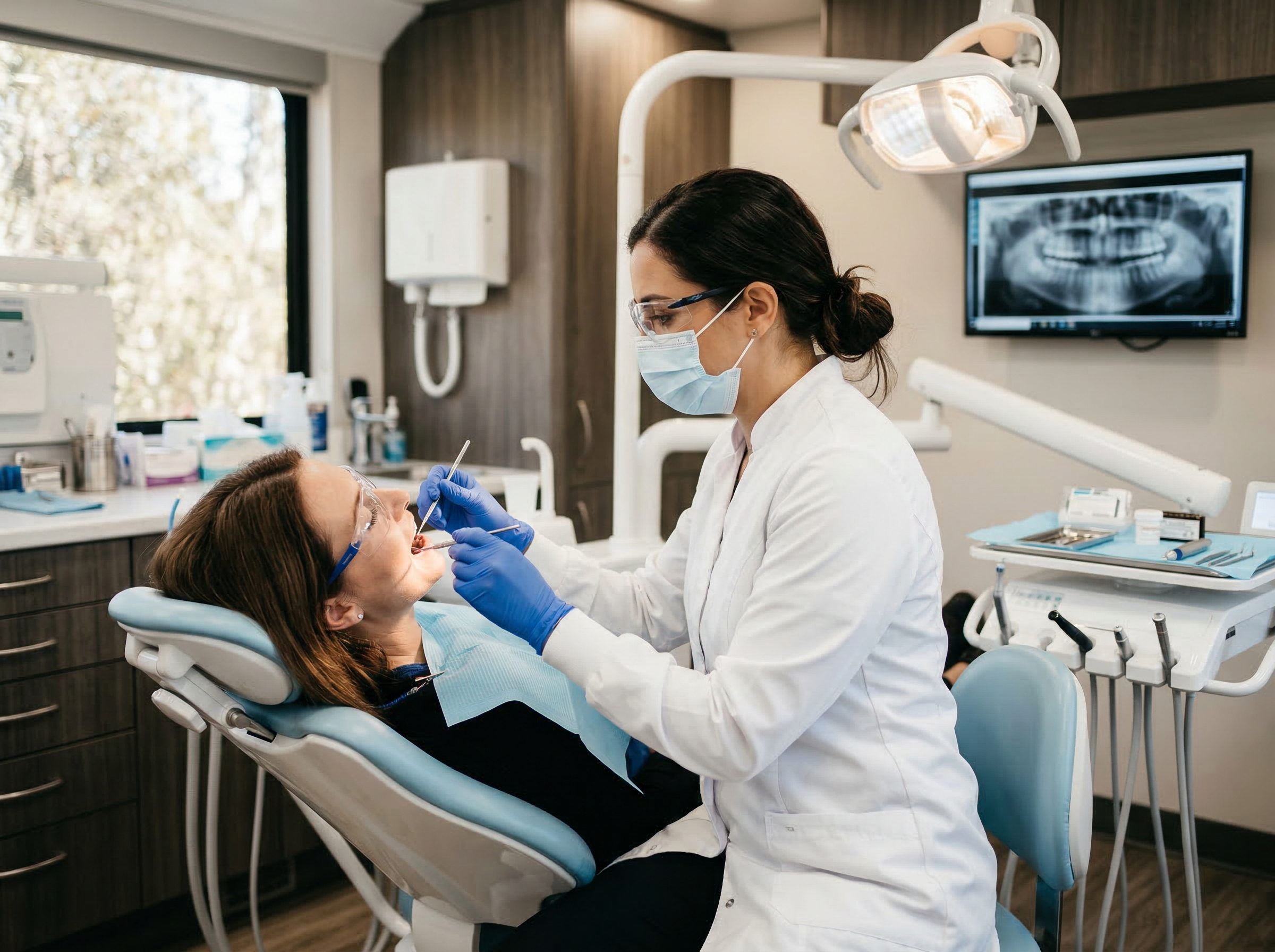
It starts with a quick and thorough assessment to identify the root cause. Then, extraction, root canal, or another procedure may be performed to remove the infection and save the rest of your teeth. Urgent action is crucial because bacteria multiply fast and can spread to nearby teeth and gums.
After treatment, the dentist may advise preventive measures — including a fluoridated mouth rinse for an extra layer of protection. This helps prevent tooth decay, which provides entry points for bacteria into the tooth's interior. When teeth are damaged (cracks and small holes), bacteria can enter and thrive beyond the reach of floss and toothbrush, producing acids that erode your tooth's structure.
It's important to visit the dentist even for momentary pain or sensitivity. Your body is telling you something, and acting quickly prevents it from getting worse. Even momentary sensitivity to cold or hot foods could mean there's a loose filling or minor tooth decay — and that small damage provides ideal conditions for bacteria to thrive and multiply.
Don't Wait — Here's Why Acting Now Matters
Pain Escalates Over Time
Momentary sensitivity can progress to excruciating, round-the-clock pain. Bacteria work continuously — the damage compounds every day you wait.
Infection Spreads Quickly
Microorganisms are opportunistic. With food and a safe habitat, they multiply and spread to nearby teeth, gums, and beyond.
Prevention Saves Money and Time
Regular dental visits and proactive care help you avoid costly procedures and disruptions to your career, business, and personal life.
Prompt Treatment Restores Quality of Life
With timely dental treatment and regular prevention of tooth decay and gum disease, you can better focus on your personal, social, and professional life.
Visiting the dentist and taking excellent care of your oral health actually pays off. You avoid costly procedures and minimise interruptions to your career or business. What if you felt that sudden, unimaginable pain during an important interview or business meeting?
A quick visit to the dentist can help you avoid that. With prompt dental treatment plus regular prevention of tooth decay and gum disease, you can better focus on everything that matters.