What's Right in Dental Care
for the Elderly?
Understanding the unique oral health challenges seniors face — and how proactive dental care can protect both their smile and their overall wellbeing.
Over one in seven Australians are aged 65 years and over. By 2057, the projection is there will be 8.8 million older people in Australia (up from 3.8 million in 2017), taking up more than 20% of the country's total population. The number is growing because of declining birth rates, improving medical care, and increasing lifespans.
This is good news for humanity's welfare — but it also presents a real challenge when it comes to oral health. Along with ageing comes declining oral health, which can be compounded by drug interactions and difficulty maintaining good oral hygiene practices. Many elderly people acquire disabilities and impairments that make proper dental care more challenging, or near impossible, to perform independently.
Dental Care for the Elderly: What Changes With Age
It's part of growing older — and through each passing year we have to work harder to protect our health. In dental care for the elderly, advancing age makes the following conditions increasingly common:
Common Oral Conditions in Seniors
- Tooth loss — Often accelerated by untreated decay or gum disease.
- Gum disease — Plaque buildup becomes harder to control without good dexterity.
- Root decay — Exposed roots from receding gums are highly susceptible to cavities.
- Darkened teeth & thinning enamel — Decades of wear, staining foods, and reduced enamel integrity.
However, it's not ageing alone that is to blame — it's often a cofactor in declining oral health. Disabilities and impairments make good dental hygiene harder to implement, which then accelerates gum disease and other problems. For example, pain in the hands and fingers can make brushing and flossing genuinely difficult for seniors.
What Should You Do?
Alongside professional dental care, it's important to avoid the things that aggravate common oral problems. Here are the key steps:
Avoid sugary foods, alcohol and tobacco
These products accelerate gum disease, tooth loss and other issues. Alcoholic drinks in particular dehydrate the body and worsen dry mouth conditions.
Increase fluoridation
Choose a fluoride toothpaste and/or fluoride rinse. The simple wear and tear of years of chewing affects the teeth's health and integrity — the enamel wears down and increases the risk for cavities. Increased fluoridation provides meaningful protection.
Ask about medication alternatives
Dry mouth is a potential side effect of many over-the-counter and prescribed medications. Ask your doctor if there are alternative medications that won't induce or worsen dry mouth — the decreased saliva flow reduces the natural cleansing of your teeth.
Why Oral Care Matters More in Later Years
Poor dental health is linked to increased heart disease risk.
Oral health and heart disease are connected by the spread of bacteria through the bloodstream. These germs can cause inflammation and clogged arteries when they attach to the heart and surrounding linings.
When it comes to ageing, physical exercise and proper diet often get the most attention — but what about proper dental care? We try to adopt a healthy lifestyle through yoga classes, everyday jogging and sporting activities, yet oral health is often compartmentalised and overlooked.
Poor oral health can lead to infections and painful, costly procedures. It's always better to prevent the problems in the first place than to be forced into emergency dental treatment. For example, if you notice gums that are red and swollen — don't wait for them to bleed and worsen. Visiting the dentist promptly can still save the gum tissue and the attachment surrounding the teeth.
Making the Most of Your Dental Visit
When you visit the dentist, it's important to communicate clearly about the changes you've noticed. Here's what to share:
- Any changes you've noticed in your teeth, gums or mouth
- Discomfort while chewing or swallowing
- Any new medications you've started recently
- Difficulty brushing or flossing due to hand pain or limited mobility
This way, the dentist can prioritise your concerns and get to the root cause — helping you hold on to that healthy, attractive smile for many years to come.

Can't Get to the Dentist? We Come to You.
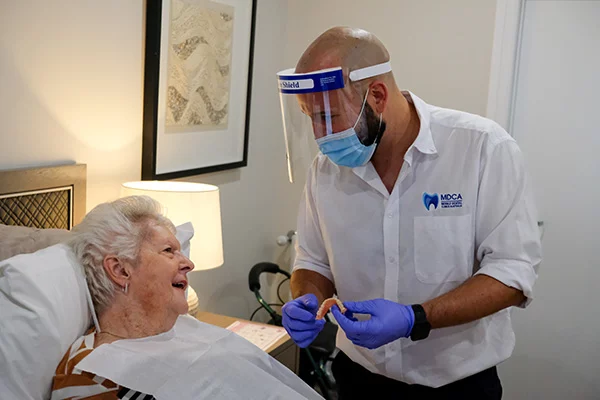
Mobile Dental Clinics Australia provides fully equipped mobile dental services directly to aged care facilities across Australia. Our completely portable clinics bring emergency, general, and dental laboratory services to patients who can't travel to a clinic.
Learn about our Aged Care servicesYour Smile. Our Passion.
Concerned About Your Oral Health?
At Mobile Dental Clinics Australia, we handle all areas of dentistry and cater to people at every stage of life. Reach out today — especially if you're conscious or concerned about your oral health.
Or email us at info@mobiledentist.com.au
Related Articles
How Dental Health Affects Overall Health
The surprising connections between your mouth and your body.
Read articleThe True Cost of Neglecting Your Oral Health
Why preventive care is always the smarter investment.
Read article5 Myths About Oral Health
Common misconceptions that could be hurting your smile.
Read articleCan Brown Teeth Be Whitened?
What causes discolouration and what can actually be done.
Read article