Mobile Dental Clinics Australia
1300 765 640
HomeArticlesFront Teeth Wearing Away
Oral Health6 min read

Front Teeth Wearing Away? Here Are the Causes and Solutions

More than 33% of adults and children worldwide experience tooth erosion. Understanding why it happens — and what to do — can save your smile and prevent costly treatments down the road.

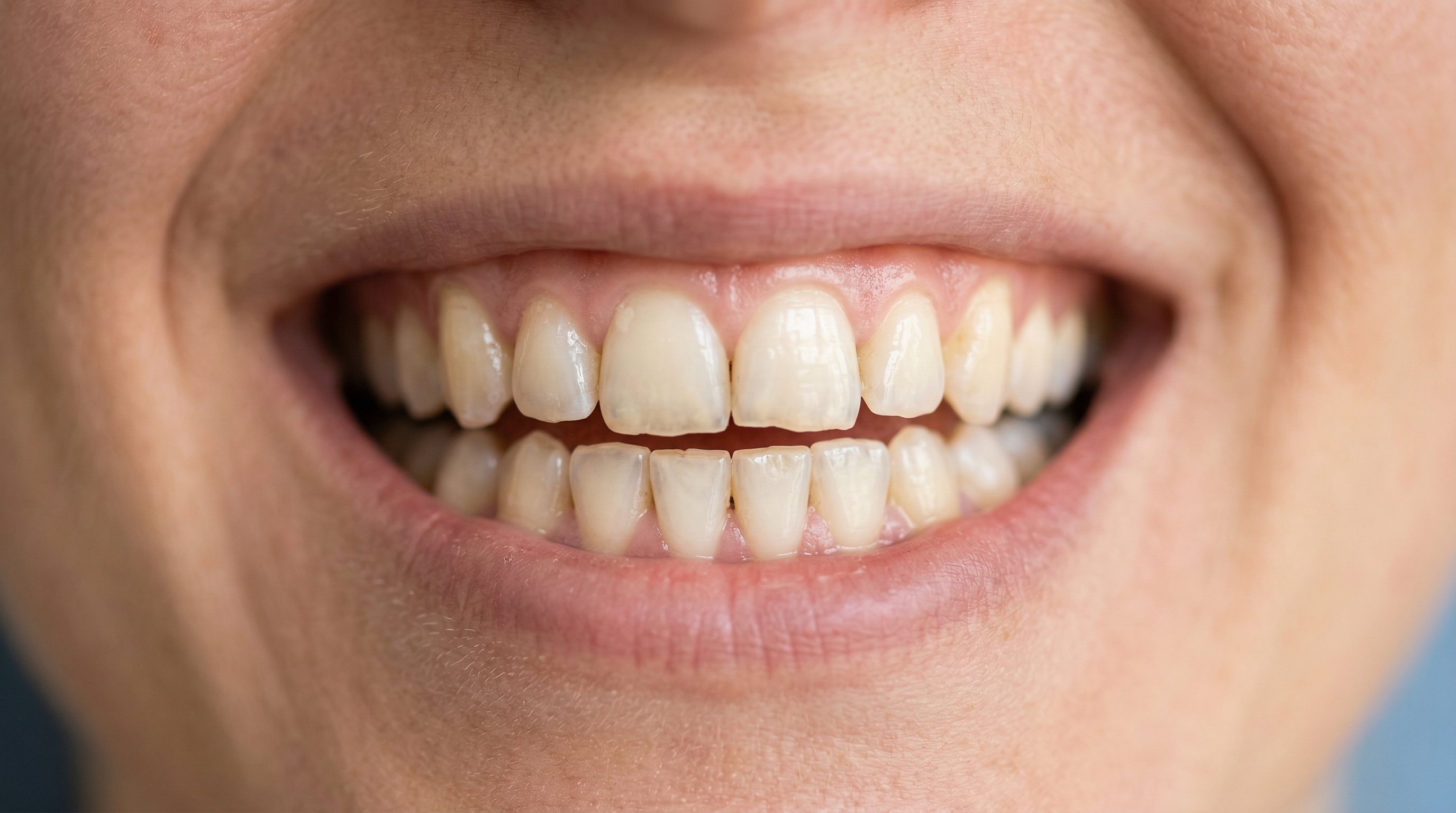
Close-up of front teeth showing signs of enamel wear and erosion

What Is Happening to Your Front Teeth?

When your front teeth start wearing away, they may appear thinner, less white, or more translucent at the edges. This happens because the protective enamel layer has been progressively stripped away — a process called dental erosion. Aside from cosmetic concerns, eroded enamel exposes the sensitive dentin beneath, causing discomfort and heightened sensitivity to hot, cold, and acidic foods and drinks.

Left untreated, front tooth erosion can lead to toothaches, the need for root canal treatment, or even tooth extraction. The good news? Early awareness already puts you ahead — and there are practical steps you can take right now.

Important: Enamel does not regenerate — it contains no living cells and cannot grow back. Once lost, your only option is to preserve what remains. Acting early makes all the difference.

Understanding the problem

8 Common Causes of Front Tooth Erosion

Enamel erosion is rarely caused by a single factor. Most people experience a combination of dietary, lifestyle, and biological contributors. Identifying your triggers is the first step to stopping the damage.

Acidic Diet

Frequent consumption of acidic foods and drinks — citrus fruits, soft drinks, vinegar-based foods — gradually dissolves the enamel surface over time.

Vigorous Brushing

Brushing too hard or using a hard-bristled toothbrush can physically scrub away enamel, especially when combined with abrasive toothpastes.

Bruxism (Teeth Grinding)

Grinding or clenching your teeth — often during sleep — creates friction that wears down the enamel on the biting surfaces of front teeth.

Acid Reflux & GI Problems

Stomach acid that reaches the mouth due to GERD or gastrointestinal disorders is highly corrosive and can cause significant enamel erosion.

Dry Mouth & Low Saliva

Saliva naturally neutralises acids and washes away food particles. Low salivary flow — from medication or medical conditions — leaves teeth more vulnerable.

High Sugar & Starch Diet

Bacteria in the mouth convert sugar and starches into acids as a waste product. The resulting acids attack and dissolve the enamel layer progressively.

Medication Side Effects

Certain medications — including antihistamines, aspirin, and vitamin C supplements — can increase acidity in the mouth and contribute to enamel erosion.

Genetics

Some individuals are genetically predisposed to thinner enamel or higher oral acidity, making them more susceptible to dental erosion regardless of lifestyle.

What you can do today

Stop Further Erosion: 5 Daily Steps

The first and most important step is adjusting your daily habits. These changes won't restore lost enamel, but they will significantly slow — and in many cases stop — further erosion.

01

Adjust Your Diet

Cut back on acidic foods and beverages. Avoid high-sugar snacks throughout the day — after eating, your mouth remains acidic for several hours, prolonging the attack on enamel.

02

Use Fluoride Toothpaste

Fluoride strengthens the remaining enamel and helps protect against further erosion. Choose a low-abrasion formula and brush gently with a soft-bristled brush.

03

Stay Hydrated

Drinking more water throughout the day dilutes acids and stimulates saliva production — your mouth's natural defence against enamel erosion.

04

Brush After Meals

Minimise how long food and drink particles remain on your teeth. Brush after meals or avoid snacking between them to reduce prolonged acid exposure.

05

Rinse with Mouthwash

A fluoride or antibacterial mouthwash reduces bacteria count in your mouth, lowering the production of tooth-damaging acids throughout the day.

Pro tip: After consuming acidic food or drink, wait 30 minutes before brushing. Brushing immediately after acid exposure can accelerate enamel removal while the surface is temporarily softened.

Professional solutions

Damage Control: Restoring Your Smile

While enamel cannot regenerate, your dentist has several effective options to protect remaining tooth structure, restore appearance, and prevent further damage. The right treatment depends on the severity of your erosion.

Dental Sealants

Applied by your dentist, sealants provide a protective coating over vulnerable tooth surfaces, preventing further decay and enamel erosion.

Crowns & Veneers

For stronger, more permanent protection, your dentist may cover the affected tooth with a crown or veneer — ideal for stopping further decay and restoring appearance.

Tooth Bonding

Particularly useful for cosmetic improvement, tooth bonding repairs and reshapes worn front teeth so you can smile confidently at social and business occasions.

Low Abrasion Toothpaste

For early-stage or minor erosion, switching to a low-abrasion toothpaste provides ongoing daily protection — the best defence is consistent prevention.

Can Enamel Grow Back?

The straightforward answer is no — enamel cannot regenerate. Unlike bone or skin, enamel contains no living cells and therefore has no ability to repair itself once lost. At present, no medical treatment can restore natural enamel.

What your dentist can do is place a protective layer or covering — such as a veneer, crown, or sealant — over the affected area. This protects the remaining tooth structure and prevents further erosion, but it is not a replacement for the original enamel.

The good news is that you can still preserve your smile and stop further erosion. Your front teeth may already have some wear, but with the right professional guidance and daily habits, you can protect what remains and maintain a confident, healthy smile for years to come.

The bottom line

Excellent oral health is one of the best steps towards better overall wellbeing and confidence.

Awareness of even a single aspect of your dental health can cascade positively across your overall health and hygiene. Don't wait until erosion becomes a serious problem — act now.

Related Articles

Can Brown Teeth Be Whitened?Sensitive Teeth SolutionsDo You Overbrush Your Teeth?5 Myths About Oral Health

Mobile Dental Clinics Australia

Concerned About Your Teeth?
We Come to You.

Our mobile clinics are completely portable — bringing professional dental care to aged care facilities, schools, workplaces, and more, right across Australia.

Call 1300 765 640info@mobiledentist.com.au

G06, 12 Corporate Drive, Heatherton VIC 3202  ·  Australia-wide service

Mobile Dental Clinics Australia

Your Smile. Our Passion. Providing mobile dental services to all Australians, nationwide.

Services

Aged Care FacilitiesSchoolsEarly Learning CentresCorporate

For Parents

Schools (Parents)ELC (Parents)Patient / Guardian

Articles

Can Brown Teeth Be Whitened?Sensitive TeethBest Age for BracesDental Care for Elderly5 Myths About Oral Health

Contact

1300 765 640info@mobiledentist.com.au

G06, 12 Corporate Drive
Heatherton VIC 3202

© 2026 Mobile Dental Clinics Australia. All rights reserved.

Contact UsOrganisations